Overview
When Pan Am flew the first 747 passenger service from New York to London in January 1970, the new jet carried more than twice as many people as the biggest airliners of the day. Its wide two-aisle cabin and distinctive upper-deck hump made air travel cheaper and turned the "Jumbo Jet" into an icon.
The 747-100 was the first production version, powered by Pratt & Whitney JT9D engines. Japan's short-range 747SR carried more than 500 passengers on domestic flights, and two modified 747s carried NASA's Space Shuttle on their backs.
Specifications
Dimensions
| Length | 70.60 m |
|---|---|
| Wingspan | 59.60 m |
| Height | 19.30 m |
| Wing area | 511.0 m² |
Weights & fuel
| Empty weight | 162,400 kg |
|---|---|
| Max. take-off weight | 333,400 kg |
| Fuel capacity | 183,380 L |
Performance
| Cruise speed | 895 km/h |
|---|---|
| Max. Mach | Mach 0.90 |
| Range | 9,800 km |
| Service ceiling | 13,700 m |
Crew & capacity
| Crew | 3 |
|---|---|
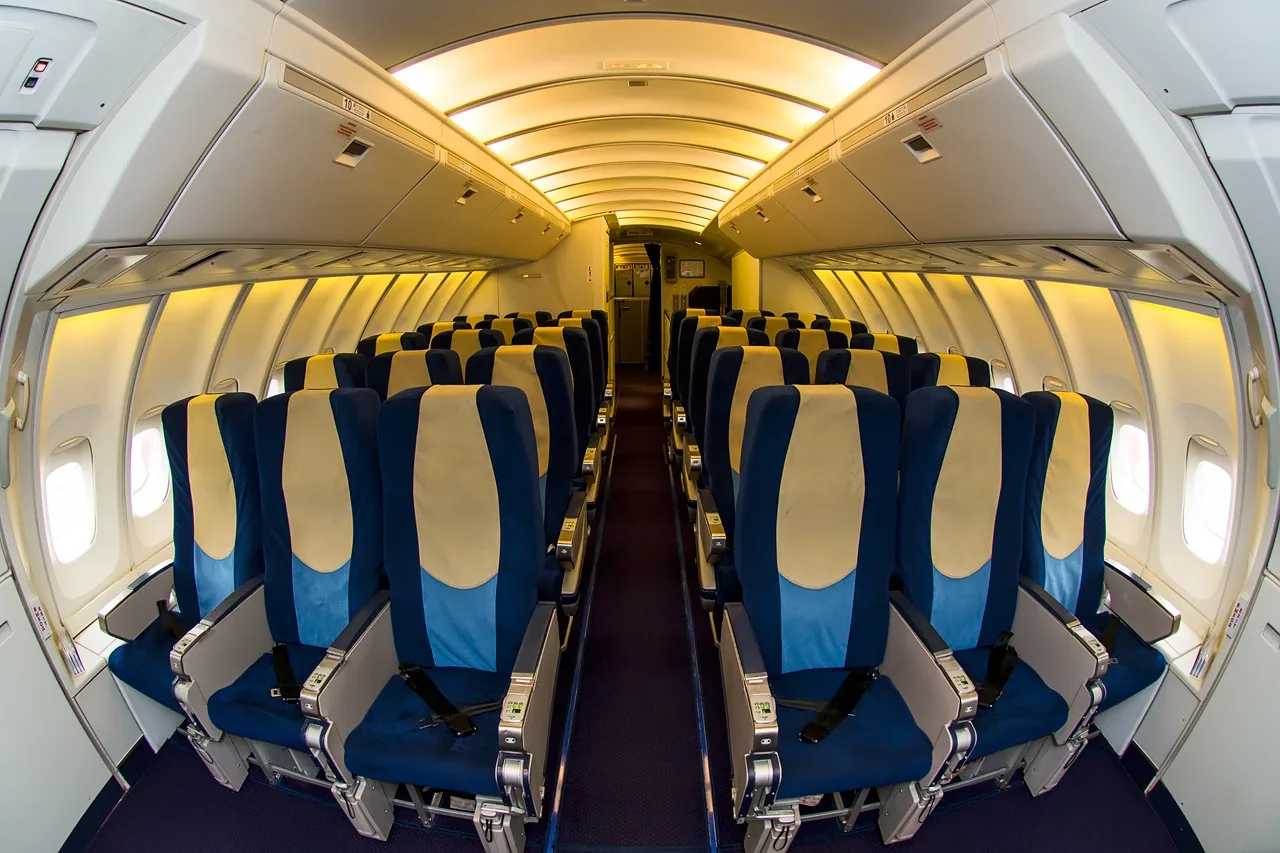
| Seats (typical) | 366 |
| Seats (max.) | 550 |
Powerplant
| Engines | 4 |
|---|---|
| Engine model | Pratt & Whitney JT9D-7A |
| Thrust (each) | 205.0 kN |
Figures are compiled from public sources and may be approximate; they can vary by variant and configuration.
Did you know?
The cockpit sits on the upper deck so that freighter versions could have a nose that swings upward for straight-in loading — that is where the famous hump comes from.
Photos
Photo 1: Alex Beltyukov - RuSpotters Team / Wikimedia Commons · CC BY-SA 3.0
Some text and images come from Wikipedia / Wikimedia Commons under CC BY-SA licences.