Overview
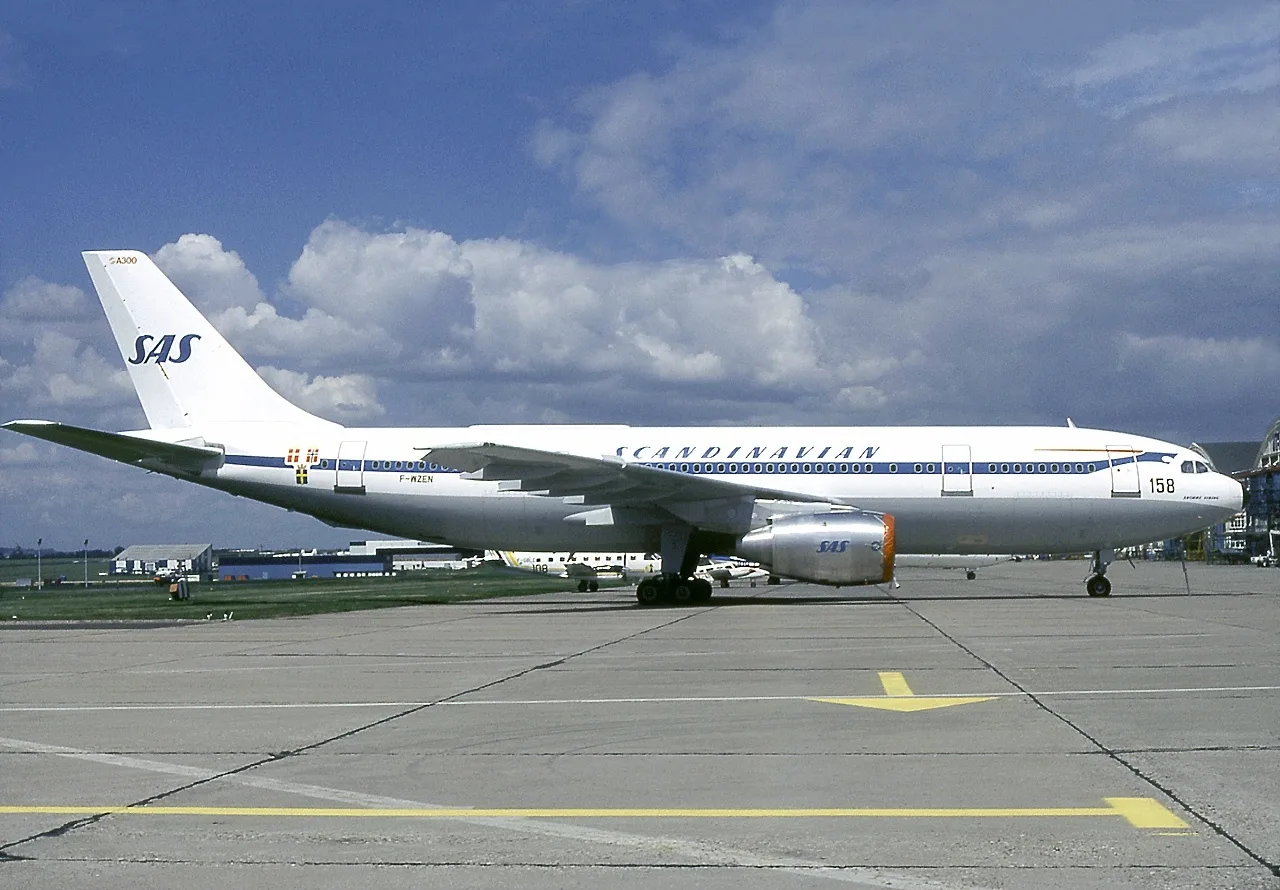
The A310 is a shortened derivative of the A300 with a new, more efficient wing and a smaller tailplane. It introduced a two-pilot "glass" cockpit with screens instead of dials, a layout that became standard on later Airbus jets. Launch customers Lufthansa and Swissair began services in 1983.
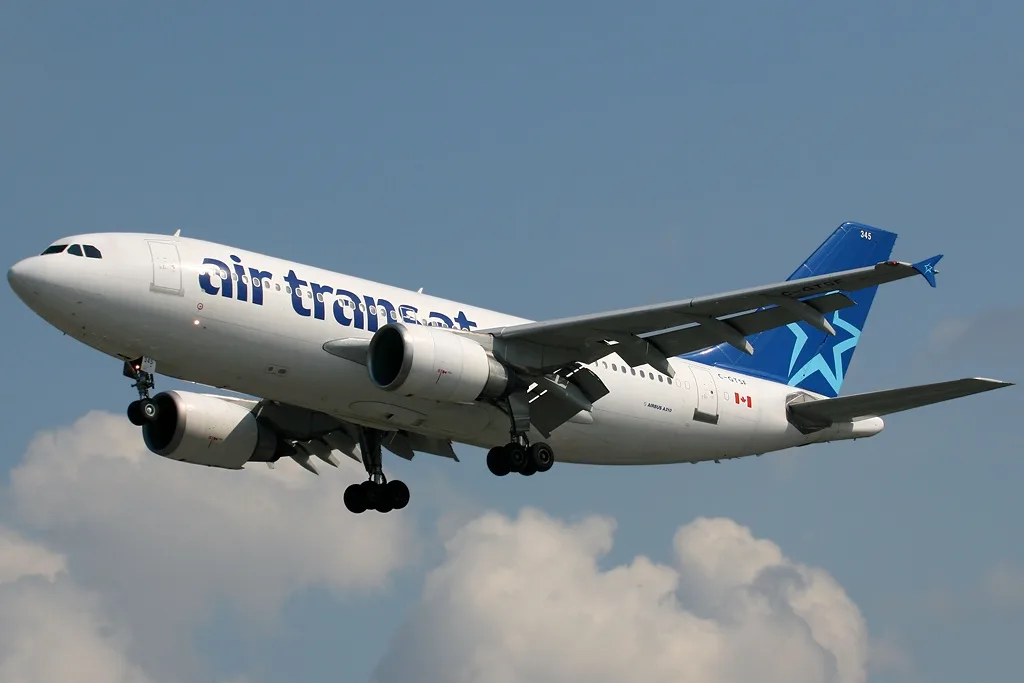
The A310-300 shown here added extra fuel in the tailplane for longer routes. Air forces used it as a VIP transport and the A310 MRTT tanker; a few airlines and cargo operators still fly it.
Specifications
Dimensions
| Length | 46.66 m |
|---|---|
| Wingspan | 43.90 m |
| Height | 15.80 m |
| Wing area | 219.0 m² |
Weights & fuel
| Empty weight | 80,000 kg |
|---|---|
| Max. take-off weight | 164,000 kg |
| Fuel capacity | 75,470 L |
Performance
| Cruise speed | 850 km/h |
|---|---|
| Max. Mach | Mach 0.84 |
| Range | 9,600 km |
| Service ceiling | 12,500 m |
Crew & capacity
| Crew | 2 |
|---|---|
| Seats (typical) | 220 |
| Seats (max.) | 280 |
Powerplant
| Engines | 2 |
|---|---|
| Engine model | GE CF6-80C2A2 or Pratt & Whitney PW4152 |
| Thrust (each) | 238.0 kN |
Figures are compiled from public sources and may be approximate; they can vary by variant and configuration.
Photos
Photo 1: Konstantin Von Wedelstaedt / Wikimedia Commons · GFDL 1.2
Some text and images come from Wikipedia / Wikimedia Commons under CC BY-SA licences.