Overview
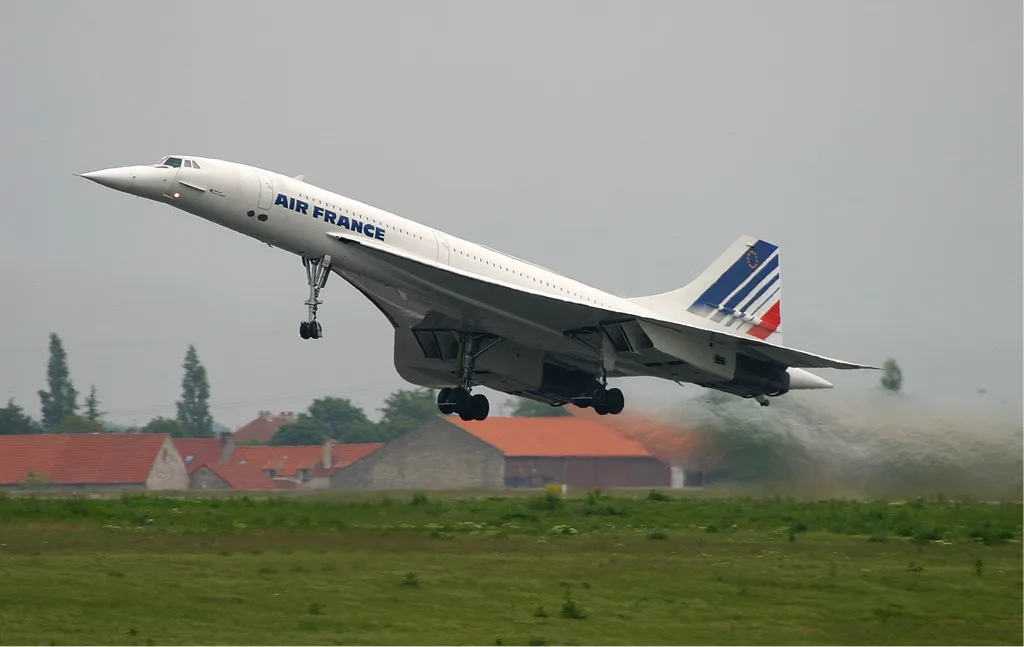
The Tu-144 flew on 31 December 1968, two months before Concorde, making it the world's first supersonic transport to take to the air. It had a slender delta wing and small retractable "canard" foreplanes behind the cockpit to improve low-speed handling.
A crash at the 1973 Paris Air Show, high fuel use and reliability problems kept passenger service short: it carried paying passengers between Moscow and Alma-Ata only from 1977 to 1978. NASA later flew one as a research aircraft until 1999.
Specifications
Dimensions
| Length | 65.50 m |
|---|---|
| Wingspan | 28.80 m |
| Height | 12.50 m |
| Wing area | 503.0 m² |
Weights & fuel
| Empty weight | 99,200 kg |
|---|---|
| Max. take-off weight | 207,000 kg |
Performance
| Max. speed | 2,300 km/h |
|---|---|
| Cruise speed | 2,120 km/h |
| Max. Mach | Mach 2.15 |
| Range | 6,500 km |
| Service ceiling | 20,000 m |
Crew & capacity
| Crew | 3 |
|---|---|
| Seats (typical) | 140 |
| Seats (max.) | 150 |
Powerplant
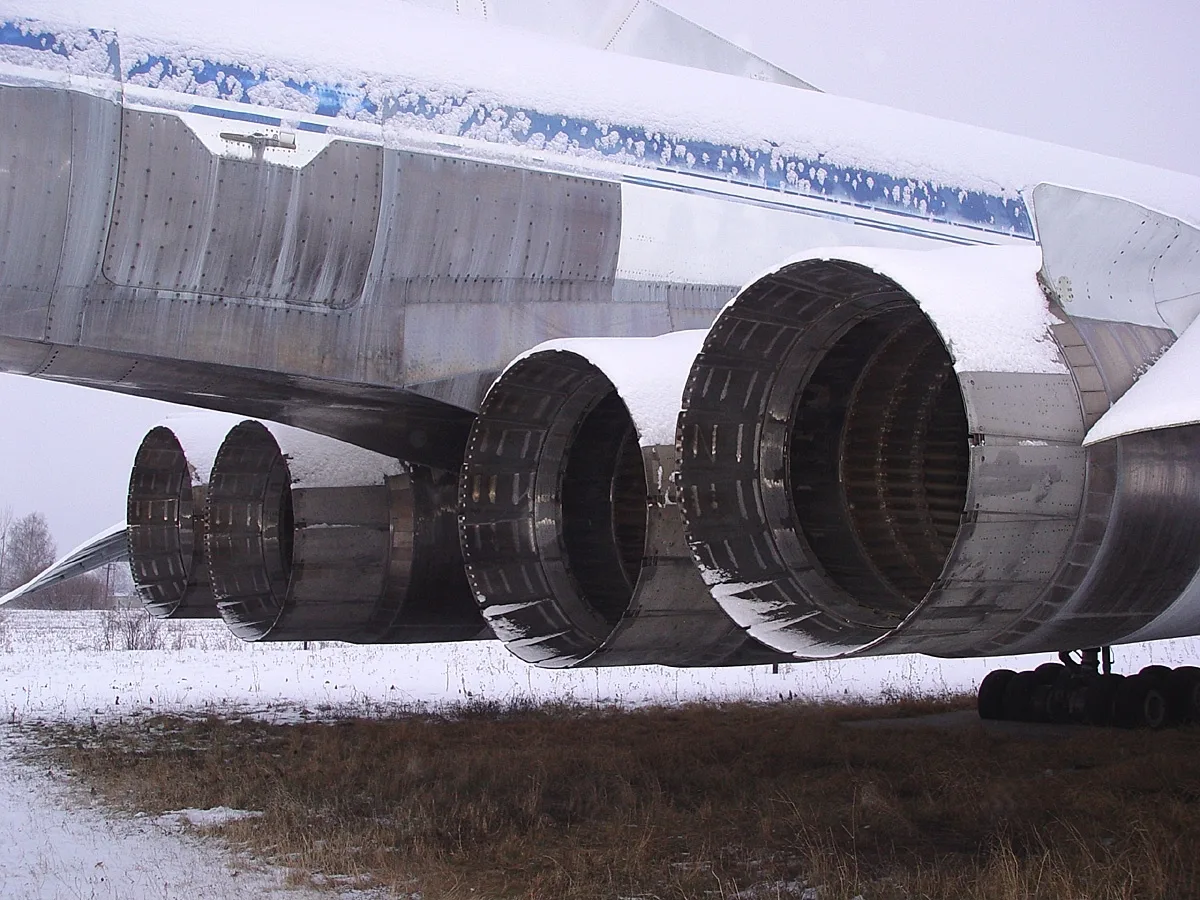
| Engines | 4 |
|---|---|
| Engine model | Kolesov RD-36-51 (Tu-144D) |
Figures are compiled from public sources and may be approximate; they can vary by variant and configuration.
Did you know?
Western newspapers nicknamed it "Concordski" because of its resemblance to Concorde.
Photos
Photo 1: Dmitry Avdeev / Wikimedia Commons · CC BY-SA 3.0
Some text and images come from Wikipedia / Wikimedia Commons under CC BY-SA licences.