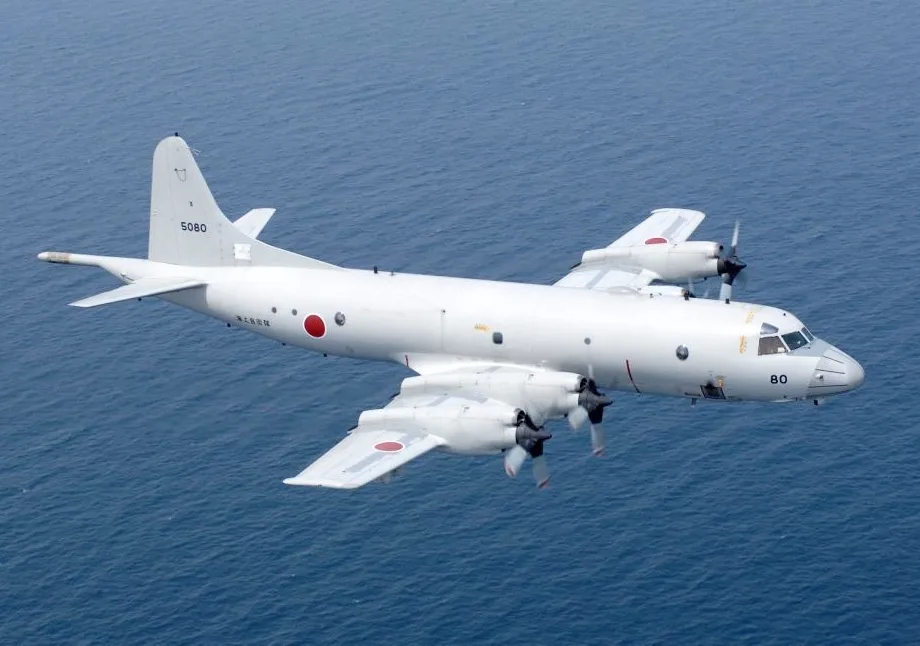
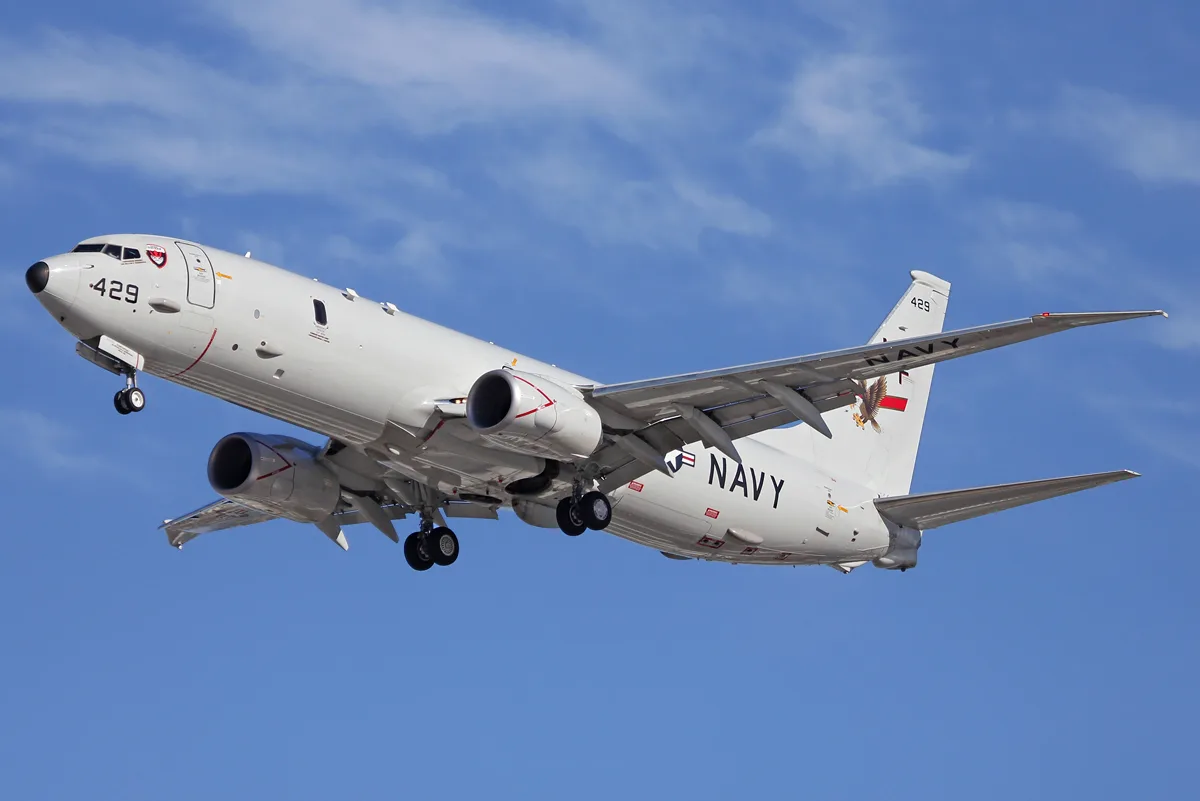
Overview
The Catalina was a slow but tireless flying boat that could patrol over the ocean for more than 20 hours, hunting submarines, spotting enemy fleets and rescuing downed airmen. The PBY-5A amphibian version could also land on runways.
On 4 April 1942 a Catalina of No. 413 Squadron RCAF, flying from Koggala lagoon in Ceylon and captained by Leonard Birchall, spotted the Japanese carrier fleet heading for Colombo. It was shot down, but its warning gave the island time to prepare, and Birchall became known as the "Saviour of Ceylon". Specifications are for the PBY-5A.
Specifications
Dimensions
| Length | 19.47 m |
|---|---|
| Wingspan | 31.70 m |
| Height | 6.15 m |
| Wing area | 130.0 m² |
Weights & fuel
| Empty weight | 9,485 kg |
|---|---|
| Max. take-off weight | 16,066 kg |
Performance
| Max. speed | 314 km/h |
|---|---|
| Cruise speed | 201 km/h |
| Range | 4,030 km |
| Service ceiling | 4,000 m |
Crew & capacity
| Crew | 8–10 |
|---|
Powerplant
| Engines | 2 |
|---|---|
| Engine model | Pratt & Whitney R-1830-92 Twin Wasp |
| Power (each) | 895 kW |
Figures are compiled from public sources and may be approximate; they can vary by variant and configuration.
Armament
- Three to five 7.62 mm and 12.7 mm machine guns
- Up to about 1,800 kg of bombs, depth charges or two torpedoes
Photos
Photo 1: Qantas Empire Airways (unknown photographer) / Wikimedia Commons · Public domain
Some text and images come from Wikipedia / Wikimedia Commons under CC BY-SA licences.