Overview
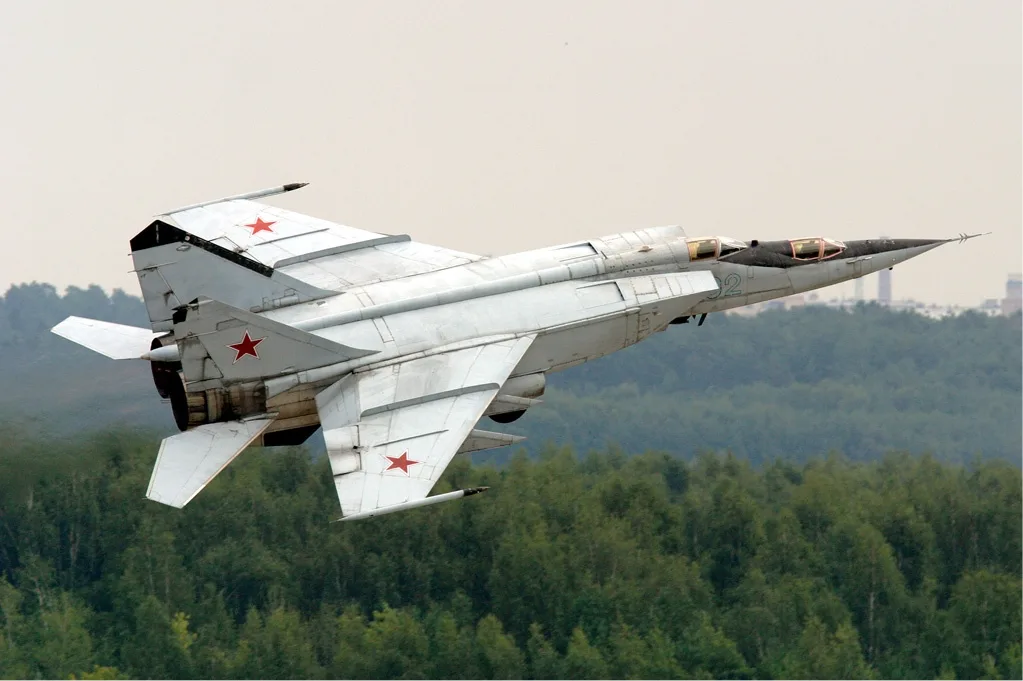
The J-7 is China's version of the Soviet MiG-21, developed after the USSR supplied MiG-21F-13 kits and documents in the early 1960s. Chengdu kept improving it, adding a new double-delta wing on the J-7E/G and better radar and Western avionics on export F-7 versions.
About 2,400 were built, serving more than a dozen air forces. The Sri Lanka Air Force has flown F-7s since 1991, starting with the F-7BS and later adding the F-7GS, and they guarded Sri Lankan skies during the final years of the civil war. China has been retiring its last J-7s. Specifications are for the J-7G/F-7GS.
Specifications
Dimensions
| Length | 14.88 m |
|---|---|
| Wingspan | 8.32 m |
| Height | 4.11 m |
| Wing area | 24.9 m² |
Weights & fuel
| Empty weight | 5,292 kg |
|---|---|
| Max. take-off weight | 9,100 kg |
Performance
| Max. speed | 2,200 km/h |
|---|---|
| Max. Mach | Mach 2.00 |
| Range | 850 km |
| Ferry range | 2,200 km |
| Service ceiling | 17,500 m |
| Rate of climb | 195.0 m/s |
Crew & capacity
| Crew | 1 |
|---|---|
| Hardpoints | 5 |
Powerplant
| Engines | 1 |
|---|---|
| Engine model | Liyang WP-13F |
| Thrust (each) | 44.1 kN |
| Thrust with afterburner (each) | 64.7 kN |
Figures are compiled from public sources and may be approximate; they can vary by variant and configuration.
Armament
- 30 mm Type 30-1 cannon (twin cannons on some versions)
- PL-5, PL-7 or PL-8 air-to-air missiles, bombs and rockets on 5 hardpoints
Photos
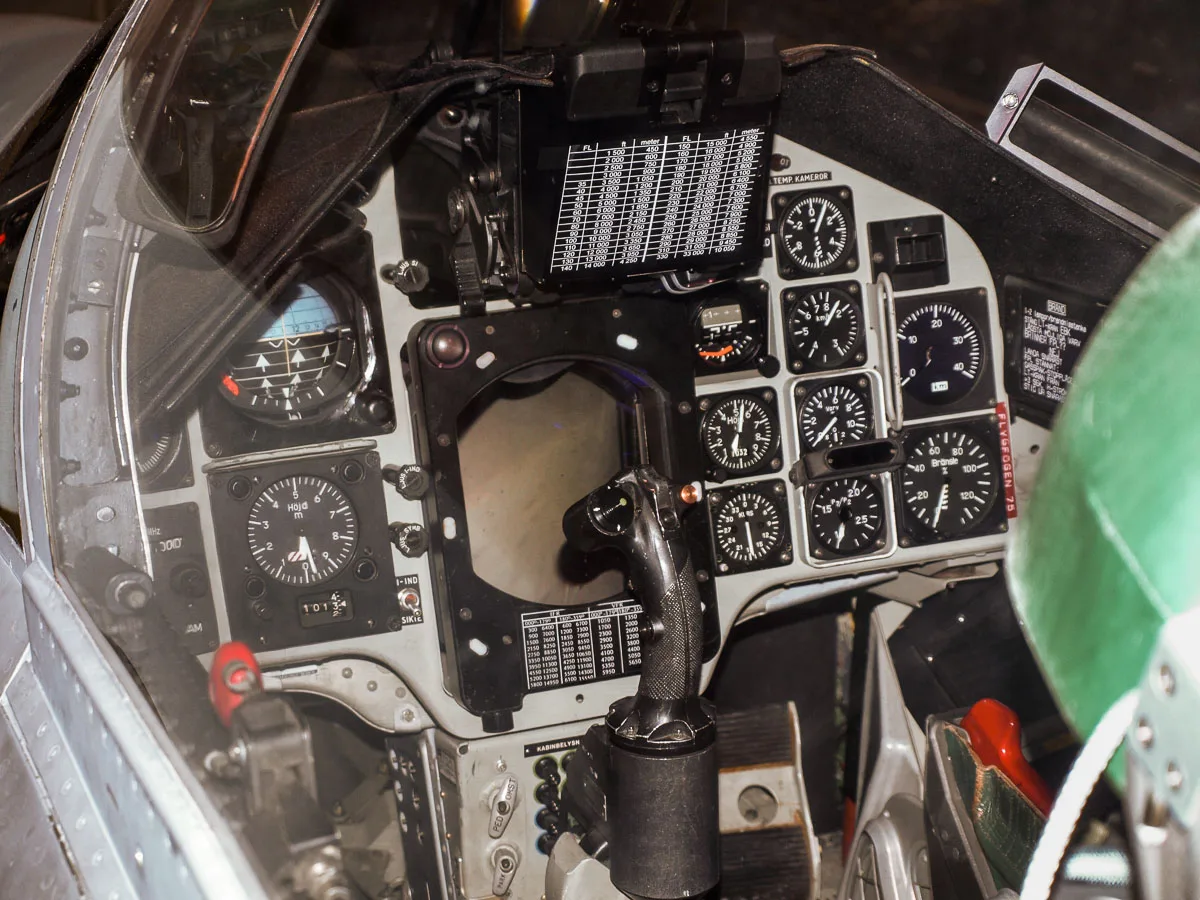
Photo 1: Bangladesh Air Force / Wikimedia Commons · CC BY-SA 4.0
Some text and images come from Wikipedia / Wikimedia Commons under CC BY-SA licences.